What Is the Difference Between Ventilation Fan and Exhaust Fan?
Are you struggling to choose the right fan for your home? I know exactly how stressful that can be. I once faced the same confusion: stuffy rooms, foggy mirrors, and lingering cooking odors. Neglecting proper air circulation has real consequences—mold, discomfort, and expensive repairs. We all want healthy, comfortable spaces, and understanding your options is the first step to getting there.
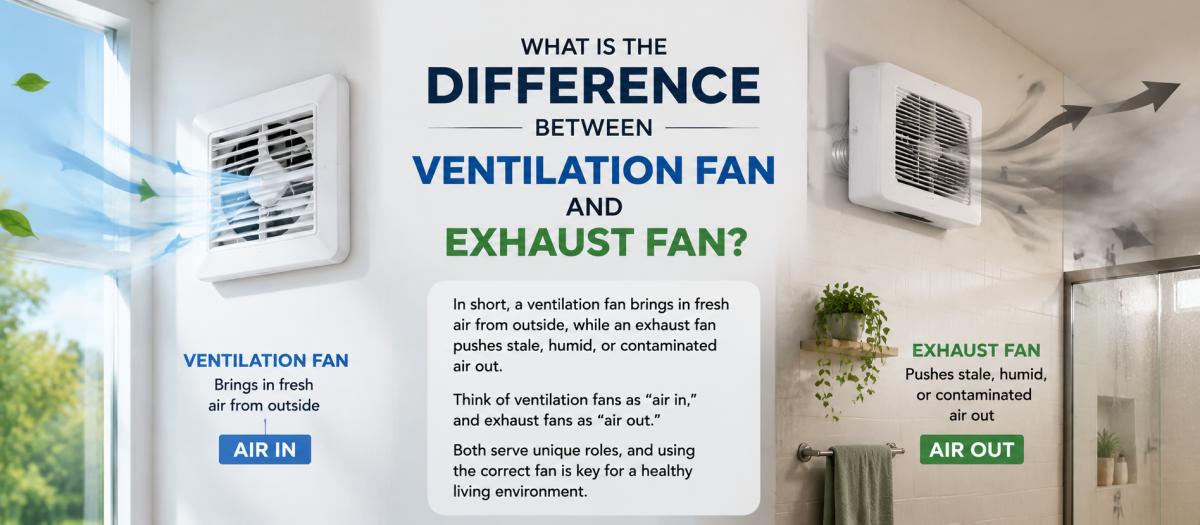
In short, a ventilation fan brings in fresh air from outside, while an exhaust fan pushes stale, humid, or contaminated air out. Think of ventilation fans as “air in,” and exhaust fans as “air out.” Both serve unique roles, and using the correct fan is key for a healthy living environment.
Curious why your bathroom never seems dry or your kitchen always smells? Keep reading—I’ll explain these differences simply, share real-life uses, and back it all up with data and expertise.
What Is a Ventilation Fan?
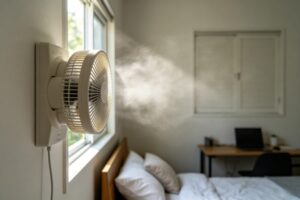
Ventilation fans are designed to bring in fresh, outdoor air and distribute it throughout a room. In my years of hands-on air quality work, I see them most often in bedrooms, offices, and basements—places that easily get stuffy or lack windows.
How Ventilation Fans Work
- Draw in air from outside.
- Help control temperature and moisture.
- Prevent air from becoming stale.
Where Are Ventilation Fans Used?
- Homes with few windows.
- Basements and attics.
- Sealed, insulated rooms.
| Location | Best Fan Type | Primary Benefit |
| Bedroom | Ventilation Fan | Fresh air, reduced stuffiness |
| Office | Ventilation Fan | Improved focus, comfort |
| Basement | Ventilation Fan | Less dampness, better air |
Want to see more? Dive into the U.S. Department of Energy’s guide on ventilation.
What Is an Exhaust Fan?
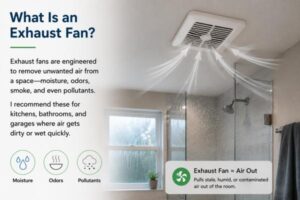
Exhaust fans are engineered to remove unwanted air from a space—moisture, odors, smoke, and even pollutants. I recommend these for kitchens, bathrooms, and garages where air gets dirty or wet quickly.
How Exhaust Fans Work
- Pull air out to the outside.
- Reduce humidity and odors
- Prevent mold and bacteria growth.
Typical Exhaust Fan Applications
| Location | Main Reason for Exhaust | Effectiveness |
| Bathroom | Humidity, odors | Prevents mold |
| Kitchen | Smoke, cooking smells | Clears air quickly |
| Garage | Car fumes, pollutants | Safer indoor air |
Learn more with the CDC’s Introduction to Mechanical Ventilation.
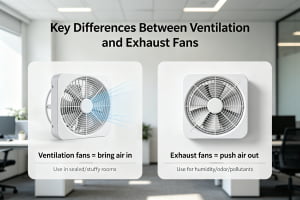
Key Differences Between Ventilation and Exhaust Fans
Let’s make it clear.
- Ventilation fans = bring air in
- Exhaust fans = push air out
I always tell my clients:
- If the room is sealed or stuffy, use a ventilation fan.
- If the main problem is humidity, odor, or pollutants, go for an exhaust fan.
Summary Table: Ventilation vs. Exhaust Fans
| Feature | Ventilation Fan | Exhaust Fan |
| Main function | Brings in fresh air | Removes stale/dirty air |
| Best in | Bedrooms, offices, basements | Bathrooms, kitchens, garages |
| Prevents | Stuffy air, low oxygen | Mold, odors, excessive moisture |
| Direction of airflow | Inward | Outward |
When Should I Use a Ventilation Fan?
Ask yourself: Does this room need fresh air? If yes, use a ventilation fan.
I install these in:
- Bedrooms(for better sleep)
- Home offices(for alertness)
- Basements(reduce damp and musty odor)
Tip: If your spaces are sealed tight (for energy efficiency), ventilation fans are a must.
When Should I Use an Exhaust Fan?
Use exhaust fans in spaces with moisture or strong odors:
- Bathrooms(remove shower steam, odor)
- Kitchens(remove smoke, grease, and heat)
- Garages / Laundry rooms(remove chemical fumes)
If you spot foggy mirrors, wet surfaces, or lingering scents, the fix is simple—install an exhaust fan.
For standards, visit the Home Ventilating Institute’s Consumer Guide.
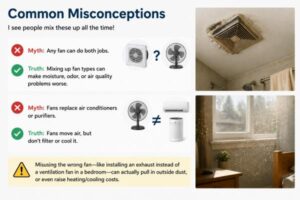
Common Misconceptions
I see people mix these up all the time!
- Myth: Any fan can do both jobs.
Truth: Mixing up fan types can make moisture, odor, or air quality problems worse. - Myth: Fans replace air conditioners or purifiers. Truth: Fans move air, but don’t filter or cool it.
Misusing the wrong fan—like installing an exhaust instead of a ventilation fan in a bedroom—can actually pull in outside dust, or even raise heating/cooling costs.
For facts, see EPA’s Guide on Indoor Air Quality.
Installation and Energy Considerations
Good news: Most fans use little power.
- Ventilation fans run quietly, steadily.
- Exhaust fans typically run in short bursts (like after a shower).
DIY is possible, but always check local codes for bathrooms and kitchens. Wiring fans near water should be left to a pro.
Quick Reference: Choosing the Right Fan
| Space | Recommended Fan | Why |
| Living rooms/offices | Ventilation | Constant fresh air is needed |
| Bathrooms/kitchens | Exhaust | Fast removal of moisture/odors |
| Finished basements | Both (if possible) | Balance fresh air & moisture |
Conclusion
Choosing the right fan means cleaner, safer, and more comfortable air for everyone. Learn the difference to avoid common mistakes and enjoy true air quality at home. For complex cases, don’t hesitate to get professional help!