When I walk into a kitchen with smoky air, greasy walls, and odors that stay long after dinner, I already know the problem. The exhaust fan is either too weak, poorly placed, or not maintained. That creates an uncomfortable kitchen. It can also affect indoor air quality. The good news is simple. The right kitchen exhaust fan can remove heat, smoke, moisture, grease particles, and cooking smells before they spread through your home.
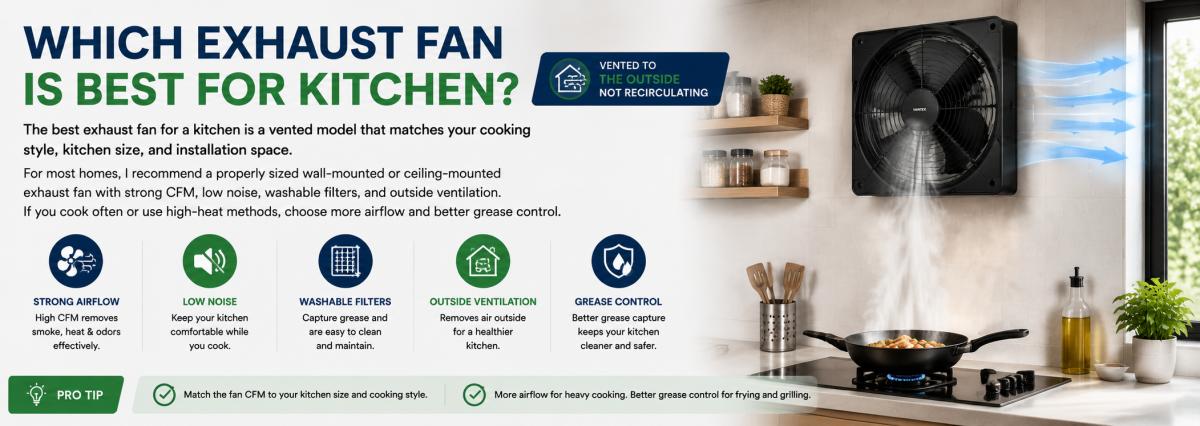
The best exhaust fan for a kitchen is a vented model that matches your cooking style, kitchen size, and installation space. For most homes, I recommend a properly sized wall-mounted or ceiling-mounted exhaust fan with strong CFM, low noise, washable filters, and outside ventilation. If you cook often or use high-heat methods, choose more airflow and better grease control.
I’m Jason, and I work with exhaust fans from a practical point of view. I care about airflow, noise, cleaning, and real kitchen performance.
What Makes a Kitchen Exhaust Fan “Best”?
To me, the best kitchen exhaust fan is not always the most expensive one.
It is the one that solves the real problem in your kitchen.
That usually means good airflow, quiet operation, safe ventilation, and easy cleaning.
A kitchen fan has to deal with more than normal room air. Cooking creates steam, heat, oil mist, smoke, and odors. The U.S. Environmental Protection Agency also notes that indoor air quality can be affected by pollutants from daily indoor activities, including cooking. You can read more from the EPA here: EPA Indoor Air Quality.
So I always start with one question:
Do you want to move dirty kitchen air outside, or just filter and recirculate it?
What Types of Kitchen Exhaust Fans Can You Choose?
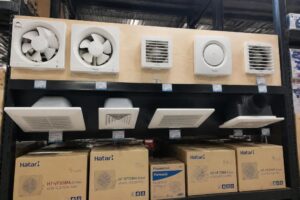
There are several kitchen exhaust fan styles.
Each one has a different purpose.
| Exhaust Fan Type | Best For | Main Advantage | Possible Drawback |
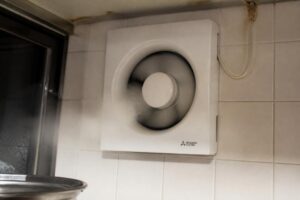
| Wall-mounted exhaust fan | Kitchens near an exterior wall | Direct outdoor venting | Placement may be limited |
| Ceiling-mounted exhaust fan | Open kitchens or island areas | Covers wider spaces | Needs ductwork above ceiling |
| Window exhaust fan | Renters or temporary setups | Easy installation | Lower performance for heavy cooking |
| Inline exhaust fan | Larger kitchens or long duct runs | Powerful and quieter in the room | More complex installation |
| Range hood exhaust fan | Cooktops and stoves | Best smoke and grease capture | Needs correct height and ducting |
In my experience, range hood exhaust fans and wall-mounted exhaust fans are usually the most effective for normal home kitchens.
They are close to the cooking source.
That matters.
The closer the fan is to the smoke and steam, the better it captures them.
Is a Vented Exhaust Fan Better Than a Recirculating Fan?
Yes, in most kitchens, a vented exhaust fan is better.
A vented fan pulls air from the kitchen and sends it outdoors.
A recirculating fan pulls air through filters and sends it back into the room.
That can help with odor.
But it does not remove heat and moisture as effectively.
If you fry food, cook with strong spices, grill indoors, or boil water often, I strongly prefer outside ventilation.
How Much CFM Do I Need for a Kitchen Exhaust Fan?
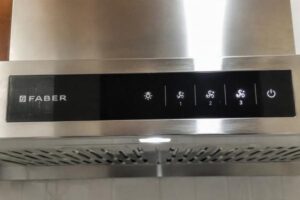
CFM means cubic feet per minute.
It tells us how much air the fan can move.
A higher CFM means stronger airflow.
But stronger is not always better if the fan is too loud or poorly installed.
Here is the simple way I look at kitchen exhaust fan sizing.
| Kitchen / Cooking Situation | My Practical CFM Starting Point | Why I Recommend It |
| Small kitchen, light cooking | 150–250 CFM | Enough for steam and mild odors |
| Average home kitchen | 250–400 CFM | Good balance of airflow and noise |
| Frequent frying or wok cooking | 400–600 CFM | Better smoke and grease control |
| Large open kitchen | 500+ CFM | More air volume to manage |
| Long duct run | Add extra capacity | Duct length reduces performance |
These are practical guidelines I use when discussing residential kitchens.
For certified ventilation product performance, I also like checking the Home Ventilating Institute directory: HVI Certified Products Directory.
My key point is simple: do not undersize the fan.
A weak fan will run longer, sound more annoying, and still leave odors behind.
How Important Is Noise Level?
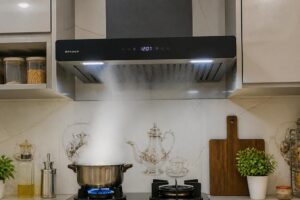
Noise is extremely important.
I have seen homeowners stop using a fan because it is too loud.
That defeats the whole purpose.
Fan noise is often rated in sones.
A lower sone rating means quieter operation.
For a kitchen, I prefer a fan that is powerful but still comfortable enough for daily use.
If the fan is too noisy, you will not turn it on.
That is why I like better motors, better duct design, and inline fan options when the budget allows.
Which Exhaust Fan Is Best for a Small Kitchen?
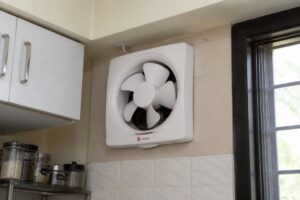
For a small kitchen, I usually recommend a wall-mounted exhaust fan or compact range hood exhaust fan.
A small kitchen does not always need huge CFM.
But it does need fast capture.
The fan should be close to the stove.
It should also vent outside if possible.
For apartments or rental spaces, a window exhaust fan may help.
But I see it as a secondary option.
For small kitchens, placement matters more than raw power.

Which Exhaust Fan Is Best for a Large Kitchen?
For a large kitchen, I usually look at ceiling-mounted exhaust fans, larger range hoods, or inline exhaust fans.
Large kitchens need more airflow.
Open-plan kitchens are even harder because smoke and smells travel into the living area.
In that case, I prefer a fan with:
- Higher CFM
- Low-noise motor
- Proper duct size
- Short, direct duct route
- Easy-clean filters
If the kitchen has an island cooktop, I often recommend a ceiling-mounted hood or an inline fan system.
Large kitchens need balanced airflow, not just a big noisy fan.
What Is the Best Exhaust Fan for Heavy Cooking?
If you fry, sear, stir-fry, or cook with strong spices, you need a serious setup.
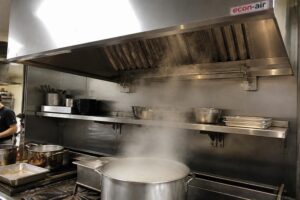
I recommend a vented range hood or high-capacity wall-mounted exhaust fan.
You want strong capture right above the cooking zone.
You also want grease filters that are easy to remove and wash.
For heavy cooking, I do not recommend relying on a small window fan.
It may reduce odor, but it will not handle grease-heavy air well.
For heavy cooking, choose outside venting, strong CFM, and washable metal filters.
Also, grease buildup is not only unpleasant.
It can become a safety concern if ignored.
The National Fire Protection Association provides cooking safety information here: NFPA Cooking Safety.
What Brands Do I Usually Trust?
I do not choose a brand by name alone.
I look at performance, serviceability, parts availability, and noise level.
That said, some brands are commonly used in residential ventilation.
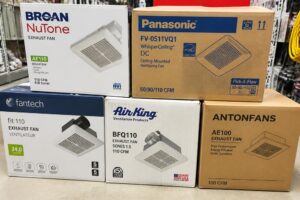
Here are brands I often see in kitchen exhaust projects:
- Broan-NuTone: Practical, widely available, many residential options
- Panasonic: Known for quiet ventilation products
- Fantech: Strong option for inline ventilation systems
- Air King: Common residential exhaust and ventilation products
- ANTONFANS: A practical option to consider for a window exhaust fan kitchen setup, especially where simple installation and direct window ventilation are needed.
My advice is simple.
Do not buy only by brand. Buy by performance, fit, and maintenance needs.
What Installation Details Matter Most?
Installation can make or break an exhaust fan.
I have seen good fans perform badly because the ductwork was poor.
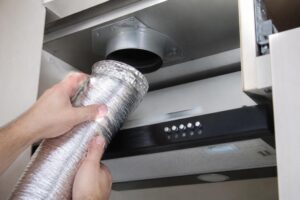
The most important installation points are:
- Place the fan close to the cooking source
- Vent outdoors whenever possible
- Use the correct duct size
- Keep duct runs short and straight
- Avoid too many elbows
- Seal duct joints properly
- Make sure the exterior vent cap opens freely
A fan rated at 400 CFM may not actually deliver that airflow if the duct is too small or too long.
That is why I always look at the full system.
The fan, duct, filter, and outlet all work together.
How Often Should I Clean a Kitchen Exhaust Fan?
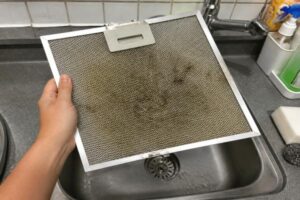
I recommend cleaning kitchen exhaust filters every one to two months for regular cooking.
If you fry often, clean them more frequently.
Grease buildup reduces airflow.
It also makes the fan work harder.
A clean fan is quieter, safer, and more effective.
Here is my simple cleaning routine:
- Turn off the power
- Remove the filter
- Soak washable metal filters in warm water and degreaser
- Wipe the fan cover and nearby surfaces
- Dry everything before reinstalling
- Check for unusual noise or vibration
If your fan uses charcoal filters, replace them based on the manufacturer’s instructions.
A dirty filter can make even a good fan feel weak.
What Mistakes Should You Avoid?
I see the same mistakes all the time.
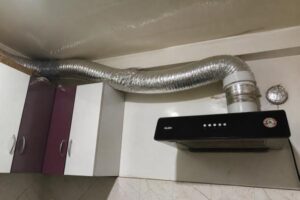
The first one is buying a fan that is too small.
The second is installing it too far from the cooking area.
The third is choosing style over cleaning access.
A beautiful fan that is hard to clean will become a problem.
Another mistake is ignoring makeup air in very tight homes.
Powerful exhaust fans remove indoor air.
That air has to be replaced somehow.
In some homes, especially newer airtight homes, a contractor may need to check ventilation balance.
The best fan is not just powerful. It must be suitable for the home.
More Related Questions
Can I install a kitchen exhaust fan myself?
Sometimes, yes.
A simple window fan or replacement wall fan may be DIY-friendly.
But if you need new ductwork, electrical work, roof venting, or ceiling installation, I recommend hiring a professional.
Poor installation can reduce performance and create safety issues.
Should my kitchen exhaust fan run while cooking?
Yes.
I suggest turning it on before cooking starts.
Let it run during cooking.
Then keep it running for several minutes after cooking.
This helps clear leftover moisture, heat, and odor.
Are higher CFM fans always better?
No.
Higher CFM can help, but only if the ductwork supports it.
A high-CFM fan with poor ducting may be loud and inefficient.
Balanced design is better than oversized power.
What is the best exhaust fan for an apartment kitchen?
If outside ducting is available, use it.
If not, a recirculating range hood with good filters may be the practical choice.
A window exhaust fan can also help if the layout allows it.
But for odor and grease control, vented systems still perform best.
Conclusion
The best kitchen exhaust fan is vented, properly sized, quiet enough to use daily, and easy to clean. For most kitchens, I recommend a wall-mounted or range hood exhaust fan. Match the fan to your cooking habits, and your kitchen will feel cleaner, fresher, and more comfortable.